Winter can be challenging for people living with asthma. As temperatures drop, many individuals experience increased coughing, wheezing, chest tightness, and difficulty breathing. Even a short walk outdoors in cold weather can sometimes trigger an asthma flare-up.
But why does cold air affect breathing, and why are asthma symptoms often worse during winter?
The reason is that cold, dry air can irritate sensitive airways, causing them to narrow and become inflamed. Winter also brings other asthma triggers, including respiratory infections, indoor allergens, dust, and air pollution.
Understanding these triggers and taking appropriate precautions can help people with asthma manage their symptoms and enjoy the winter months more comfortably.
What Happens to Your Airways When You Breathe Cold Air?
Asthma is a chronic respiratory condition in which the airways become inflamed and overly sensitive to certain triggers.
When you breathe cold air, particularly through your mouth during outdoor activities, the airways may lose heat and moisture. In people with asthma, this can trigger airway tightening, also known as bronchoconstriction.
As the airways narrow, less air can move in and out of the lungs, leading to symptoms such as:
- Shortness of breath
- Wheezing or whistling sounds while breathing
- Chest tightness
- Persistent coughing
- Difficulty breathing during physical activity
These symptoms may appear shortly after exposure to cold air or during and after exercise in cold weather.
Why Does Asthma Become Worse During Winter?
Cold temperatures are not the only reason asthma symptoms may increase during winter. Several environmental and lifestyle factors can contribute.
1. Cold and Dry Air
Cold air generally contains less moisture than warm air. Breathing it can dry and irritate the lining of sensitive airways, triggering bronchoconstriction in people with asthma.
This is particularly noticeable during early morning walks, outdoor exercise, and exposure to chilly winds.
2. Increased Respiratory Infections
Winter is associated with increased circulation of respiratory viruses, including influenza and respiratory syncytial virus (RSV).
These infections can irritate the airways and trigger asthma exacerbations, sometimes making symptoms more difficult to control.
3. Indoor Allergens
During colder months, people often spend more time indoors with windows closed.
This can increase exposure to:
- Dust mites
- Pet dander
- Indoor mould
- Household dust
- Smoke from cooking or heating
For individuals with allergic asthma, these substances can trigger respiratory symptoms.
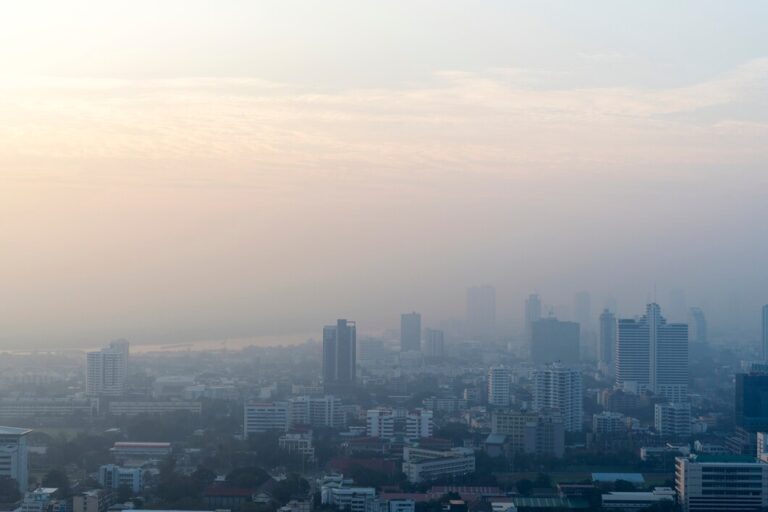
4. Air Pollution and Smoke
Air pollution can worsen asthma symptoms throughout the year, including during winter.
Smoke, particulate matter, vehicle emissions, and other airborne pollutants can irritate the respiratory tract and increase the likelihood of asthma symptoms.
5. Sudden Temperature Changes
Moving quickly between warm indoor environments and cold outdoor conditions may trigger coughing or chest tightness in people with sensitive airways.
Maintaining a comfortable temperature and protecting your nose and mouth outdoors may help reduce irritation.
Common Symptoms of Cold-Induced Asthma
Cold air can trigger the same symptoms experienced during other asthma flare-ups.
Watch for the following warning signs:
- Wheezing: A whistling sound, particularly when breathing out.
- Chest tightness: A feeling of pressure or heaviness in the chest.
- Persistent coughing: Especially during early mornings, at night, or after going outdoors.
- Breathlessness: Difficulty taking deep breaths or completing normal activities.
- Increased mucus production: Some people experience additional mucus and airway irritation.
Symptoms may vary from person to person. If you regularly experience these problems during winter, consult a pulmonologist for an assessment.
Who Is More Likely to Experience Winter Asthma?
Cold weather can affect anyone with asthma, but certain individuals may be more vulnerable to winter flare-ups.
These include:
- People with poorly controlled asthma
- Individuals with allergic asthma
- Children with sensitive airways
- Older adults with existing respiratory conditions
- People with frequent respiratory infections
- Individuals exposed to smoke, dust, and air pollution
- People who exercise outdoors in cold weather
If you already have asthma, identifying your personal triggers can help you prepare for seasonal changes.
7 Practical Ways to Manage Asthma During Winter
The goal is to reduce exposure to triggers while keeping your asthma under control.
1. Cover Your Nose and Mouth Outdoors
Wear a scarf or suitable face covering over your nose and mouth when going outside in cold weather.
This helps warm and humidify the air before it reaches your airways.
2. Breathe Through Your Nose
Your nose naturally warms and adds moisture to the air you breathe.
Whenever possible, try breathing through your nose instead of directly inhaling cold air through your mouth.
3. Avoid Outdoor Exercise During Extremely Cold Hours
Early mornings and late evenings can be particularly cold.
If cold air triggers your symptoms:
- Exercise indoors when possible.
- Choose warmer times of the day.
- Start with gentle warm-up exercises.
- Avoid sudden intense physical activity.
- Follow your doctor’s advice regarding exercise-related asthma symptoms.
4. Take Your Prescribed Asthma Medication
Do not stop your regular asthma medication simply because your symptoms improve.
If your doctor has prescribed a controller inhaler, use it as directed. Keep your prescribed reliever medication accessible and follow your written asthma action plan.
If you experience frequent symptoms despite treatment, your doctor may need to reassess your asthma control.
5. Keep Indoor Allergens Under Control
Spending more time indoors during winter can increase exposure to allergens.
To reduce indoor triggers:
- Wash bedsheets regularly.
- Keep rooms clean and dust-free.
- Address dampness and mould.
- Avoid smoking indoors.
- Keep pets away from sleeping areas if you are allergic to them.
6. Protect Yourself From Respiratory Infections
Respiratory infections can trigger asthma flare-ups.
Helpful precautions include:
- Washing your hands regularly.
- Avoiding close contact with people who are sick.
- Staying up to date with recommended vaccinations.
- Following appropriate respiratory hygiene.
Discuss influenza and other recommended vaccinations with your healthcare professional.
7. Monitor Weather and Air Quality
Cold weather combined with poor air quality can make respiratory symptoms worse.
Check local air quality before outdoor activities, particularly when pollution levels are high.
Avoid strenuous outdoor exercise on days when air pollution is particularly poor.
How Is Cold-Induced Asthma Diagnosed?
There is no single test specifically designed to diagnose cold-induced asthma.
A pulmonologist generally evaluates your symptoms, medical history, exposure to triggers, and lung function.
Common diagnostic tests include:
1. Spirometry
Spirometry measures how much air you can breathe out and how quickly you can exhale.
It helps identify airflow obstruction and may be repeated after administering a bronchodilator to assess whether airflow improves.
2. Peak Expiratory Flow (PEF)
A peak flow meter measures how quickly you can blow air out of your lungs.
Regular readings may help identify changes in airflow and monitor asthma control.
3. FeNO Test
The Fractional Exhaled Nitric Oxide (FeNO) test measures nitric oxide in your exhaled breath.
It can help identify certain types of airway inflammation, particularly eosinophilic inflammation associated with asthma.
4. Allergy Testing
If allergies appear to trigger your asthma symptoms, your doctor may recommend skin-prick testing or specific blood tests to identify relevant allergens.
The choice of tests depends on your symptoms and clinical evaluation.
Can Cold-Induced Asthma Be Treated?
Yes. Cold-induced asthma can generally be managed with appropriate asthma treatment and trigger avoidance.
Treatment may involve:
- Inhaled corticosteroids to control airway inflammation.
- Combination inhalers containing a corticosteroid and long-acting bronchodilator when indicated.
- Reliever medication as part of an individualized treatment plan.
- Allergy management when allergens contribute to symptoms.
- A personalized asthma action plan.
The treatment depends on asthma severity, symptom frequency, lung function, and other individual factors.
Important: Do not increase, reduce, or discontinue inhaler medication without consulting your doctor.
When Should You Consult a Pulmonologist?
Consider a respiratory evaluation if:
- You experience repeated breathing difficulties during winter.
- You frequently wake up coughing at night.
- You need your reliever inhaler more often than usual.
- Physical activity regularly causes wheezing or breathlessness.
- Your asthma symptoms interfere with everyday activities.
- Your current treatment does not provide adequate symptom control.
Seek emergency medical care if you experience severe breathlessness, difficulty speaking because of breathing problems, bluish lips, confusion, or rapidly worsening symptoms. Follow your asthma action plan while arranging help.
Final Thoughts
Cold weather can be a significant asthma trigger, particularly for people with sensitive or inflamed airways. Cold, dry air, respiratory infections, indoor allergens, and winter air pollution can all contribute to increased breathing difficulties.
However, winter asthma symptoms can often be managed with proper treatment, trigger avoidance, and regular monitoring.
If you experience repeated coughing, wheezing, chest tightness, or breathlessness during colder months, don’t ignore these symptoms. Consult a pulmonologist to understand your triggers, assess your lung function, and develop an appropriate treatment plan.
Taking preventive steps early can help you stay active and breathe more comfortably throughout winter.